Facing the realities of digital learning environments
In part one of this blog series, we discussed the need for administrators to support teachers in accelerating learning gains. In this post, we explore how the continuous improvement cycles of support for teachers must include clear strategies for helping them navigate the reality of the digital learning environment. We’ll discuss putting a strong focus on Social and Emotional Learning (SEL) and shifting to growth-oriented evaluations rather than traditional assessments.
The feedback shows that most parents, schools, and teachers were unprepared and untrained to handle the complexities and demands of the technology needed to support students during the pandemic. While teachers deserve a massive round of applause for their rapid response, current research is beginning to quantify the student learning gaps that resulted from COVID-related disruptions.
Over the past few years, the average U.S. elementary school student lost more than half a school year of learning in math and almost a quarter of a school year in reading, according to the NAEP Report Card. Teachers and staff may now feel considerable pressure to meet assessment benchmarks, especially in schools and districts with a renewed focus on addressing unfinished learning.
As teachers prioritize helping students catch up, they should not forget to address their own social and emotional needs as well as their students. So, how do districts best support teachers throughout the school year?
District leaders can lean into three key strategies:
- Provide engaging, effective teacher professional development
- Model SEL outside of the classroom
- Use continuous improvement models to gain insight and readjust PD
Providing engaging, effective teacher professional development
Districts have the flexibility to use the ESSER funds for any “activity authorized by the Elementary and Secondary Education Act,” including assessments, instructional materials, software, hardware, professional development, and connectivity. With professional development already a top priority, many districts are now looking to improve their offerings, make learning more convenient for educators, and dedicate ample school time to ensure teachers can get the most from their professional learning experience.
It’s up to school and district leaders to make sure teachers have the tools and skills they need. Preparing teachers to succeed in both in-classroom and remote instruction means providing them the means to build critical skills. That’s why creating the right professional learning program for today’s realities is essential. Baking in strategies to increase engagement and participation in all learning environments is a sound professional development focus. Content focused on teaching in the digital learning environment and teacher SEL training also supports teachers in the near and long term. As they master digital skills, hybrid classroom management, and SEL implementation, they’ll become more effective, confident, and fulfilled.
Modeling SEL outside of the classroom
HR leaders, principals, and district leaders must make SEL a regular and ongoing part of the conversation with faculty and staff. Practicing the same kinds of teaching approaches used with students promotes a more supportive culture and establishes a norm that serves teachers’ interactions with students.
Districts can use professional learning communities (PLCs) or learning cohorts to promote collaboration. Teachers are both learning together and leading together in this new era. Creating a collaborative digital space supports their growth. They can share learning content and build their own resources to support SEL for students.
Supporting teachers may also mean building in time for self-care to help staff recognize the importance of taking care of their own needs. Some districts have started wellness programs that offer meditation, yoga, and daily walks to help people balance personal needs with their professional ones.
Use continuous improvement models to gain insight and adjust teacher PD
Putting a focus on professional development and SEL is a great starting point. Still, districts must also implement sound continuous improvement strategies to measure success and adapt according to the data.
A growth-oriented continuous improvement framework focuses on growth evaluative measures versus simply looking at assessment performance. One trusted and research-backed strategy is the PEMA model–Plan, Engage, Monitor, and Adjust. Used extensively as a student learning framework, it melds nicely into an effective professional development evaluative model as well.
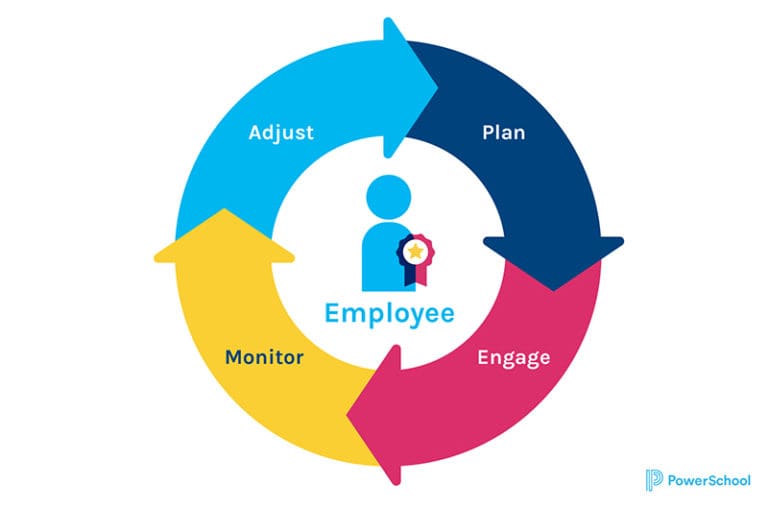
PEMA puts teachers at the center. It‘s built around core questions PLCs can use to structure their work:
What do we want teachers to know, understand, and be able to do?
How do we use content, technology, and pedagogy to engage teachers?
How do we know teachers are learning?

How do we respond to teachers’ needs?
An effective model ensures fidelity of implementation and that teachers have a voice in the process. Owners of professional development and teacher support can use data from professional learning systems along with teacher feedback in this continuous improvement model to gauge the program’s effectiveness.
Building resilient educators
So, as schools and districts look to address unfinished learning, supporting teachers will take center stage for HR leaders. We have looked at how to support teachers as they work to accelerate learning gains. We addressed the need for focused PD around digital learning and SEL. In the final article of our series, we will discuss how all of this leads to a framework for building resilient educators who can pivot and adjust effectively in any crisis or learning ecosystem.
Continue with Part 3 in this series.
Get the Support Teachers Resource Kit
Learn how to give teachers the tools, training, and support they need to deliver excellent instruction in any setting.