

Written by
Matt Childers
In the eight years I spent as a special education teacher, I had the privilege of teaching in a wide variety of schools, from an alternative school in Arizona, to a small community elementary school in Hawaii, to a diverse high school in West Virginia. Today, I work with K-12 schools and districts both large and small, all over the country.
During this time, I saw and experienced some common challenges related to special education teachers. Oftentimes, special education teachers are faced with a crushing workload of paperwork, administrative tasks, instructional planning, and teaching. These challenges can affect both student outcomes as well as teacher retention. I’ve also seen some organizations tackle this challenge head on by supporting special educators with a single digital ecosystem to maximize their impact on student outcomes.
What is a School’s Digital Ecosystem, and Where Do Special Educators Fit in?
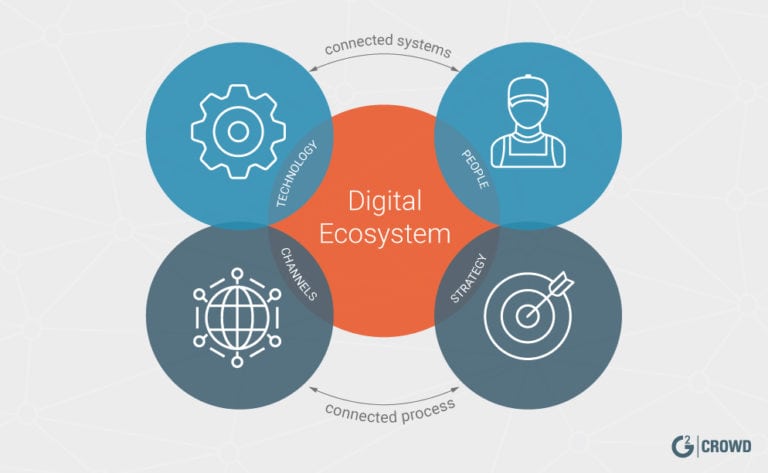
Image credit: G2 Crowds, Digital Trends 2018
Digital ecosystems are comprised of companies, people, data, processes, and things that are connected by the shared use of digital platforms (Source: G2 Crowd, Digital Trends 2018). In education, a digital education ecosystem encompasses all the digital tools, resources, and networks used in a school and how they interact. A strong, integrated digital ecosystem can add efficiency and accuracy to special educators’ case management responsibilities while also amplifying their impact in the teaching and learning cycle.
When I was a teacher, I had a different system for almost everything in my workday: gradebook, curriculum, special education, RTI, etc. I found myself constantly entering the same data in multiple places, and it was challenging to get the whole picture of my students. A single digital ecosystem offers the opportunity to streamline workflows since users have one place to go to perform all their key job duties. As a special educator, I know I would have slept better knowing I had a system in place that helped ensure I always had compliant special education documentation and processes. I have vivid memories of late nights during IEP season when I spent hours entering the same student information on multiple forms and then combing forms to ensure required fields were filled in correctly. At that time, I would have paid money out of my own pocket for a system that could solve that problem!
With a single digital ecosystem, the real winners are the students. When staff spend less time on clerical and manual tasks, they have much more time and focus to spend on what they are truly passionate about—teaching students! A special education system that’s integrated with other classroom tools provides not only increased instructional time, but also gives teachers data they can use to make instructional decisions. Special educators are a tremendous asset to any organization. Providing them a single digital ecosystem helps them feel valued in their job and empowered to make a difference in the lives of their students.

Author: Matt Childers, Solution Engineer, PowerSchool
Matt has eight years of K-12 teaching experience across the country—Arizona, Hawaii, and West Virginia. Matt also holds a Master’s in Special Education and has amassed ten years of experience in education technology, working with schools and districts all over the United States.