Denton ISD in Texas is a rapidly growing district with a $200 million annual budget. Managing growth while supporting student success requires district leaders to understand every decision’s impact. They recently modernized their finance, HR, and analytics software to do so. Their new technology enables finance leaders to take a “Strategic CFO” approach.
Dr. Scott Niven, Deputy Superintendent and former CFO at Denton ISD, says K-12 finance leadership is about more than good accounting—it’s about directing the district’s resources toward driving student success. Drawing on his 26 years of financial leadership experience, and 17 years as a superintendent, Dr. Niven has some helpful advice to help CFOs and superintendents work closer together to achieve strategic goals.
Denton ISD gained insights never possible before by integrating their systems and aggregating their data. They can stay on top of staffing trends and challenges, for example, making adjustments as needed and fine-tuning recruiting efforts to stay competitive in a tight labor market. They also now have a better understanding of how past financial decisions affected student performance, and they can make future decisions based on this knowledge.
Additionally, the district improved data accuracy across their organization and simplified processes for staff members. This helps them do more in less time while reducing workload and stress. This gives everyone more time and energy to focus on the most important tasks.
In this blog post, we look at how Denton ISD modernized their finance and HR systems to support strategic plans and help finance leaders and the superintendent work together. We also explore how deeper data analytics help them confidently make short- and long-term decisions and adjust along the way to prioritize and support student success.
Modernizing K-12 Finance and HR Technology at Denton ISD
Denton ISD relies on interoperable and integrated technology from PowerSchool and other providers. Their technology works together as a unified system to help them automate processes, improve accuracy, and provide detailed data analytics to decision makers and stakeholders. Leaders and staff members have easy, secure access to information vital for their roles from anywhere—this helps inform decisions in real time, whether it’s on a conference call, in a board meeting, or while in the office.
PowerSchool eFinancePlus forms the core of the district’s finance and HR system. They also use PowerSchool SIS to track and analyze student performance. Because their systems are integrated, district leaders can easily compare student performance data to financial data.
With PowerSchool, Denton ISD built a modern, integrated finance and HR system that helps them:
- Manage funding and automate business processes
- Improve efficiency and data accuracy
- Gain real-time data insights with analytics dashboards
At the heart of Denton’s modern finance, HR, and analytics solution is integration. Connected systems help them automate workflows, aggregate data, and sync across systems to improve accuracy. Dr. Niven says, “We use technology to try to make the most automated platform possible.” In addition to helping make everyone’s job easier, automation helps the district gain full team buy-in for further technology changes and implementations.
Managing Change and Getting Team Buy-In
Team buy-in is about honestly explaining the reasons for implementing new technology and highlighting how it will impact (and improve) employees’ daily work while supporting better district outcomes, according to Dr. Niven. Following through on these promises is vital. Denton ISD does this by communicating success as it happens to mark the positive impact of new systems.
As employees experience improvements, they become more enthusiastic about continued technology modernization. “We were spending about 75% of our time just pulling data vs. about 25% now,” explains Dr. Niven. He says once teams saw this, they began asking for even more technology modernization.
Starting with small changes is important. This makes it easier for teams to adapt, and leadership can point to specific, tangible improvements employees can see and experience. Dr. Niven says this gives districts a foundation of trust to build on.
Becoming a Strategic CFO
Bringing financial, staffing, and student data together with intuitive visualizations enables finance leaders to make strategic decisions that support student success. Decisions related to K-12 budget planning, investments, and accessing special funding (like ESSER funds) can directly impact student success. By taking a more strategic role, the CFO or finance leader can help their school or district achieve a wide range of goals.
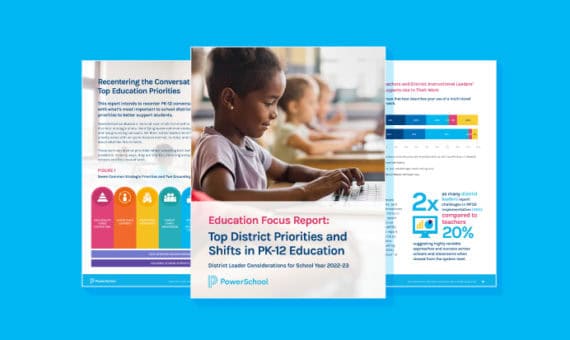
The PowerSchool Education Focus Report reveals operational excellence as a strategic focus area. Finance and HR technology, like that implemented by Denton ISD, simplifies processes, enables automation, and improves data accuracy. But the CFO can support the other six focus areas outlined in the report, too. Smart budget planning makes an impact on:
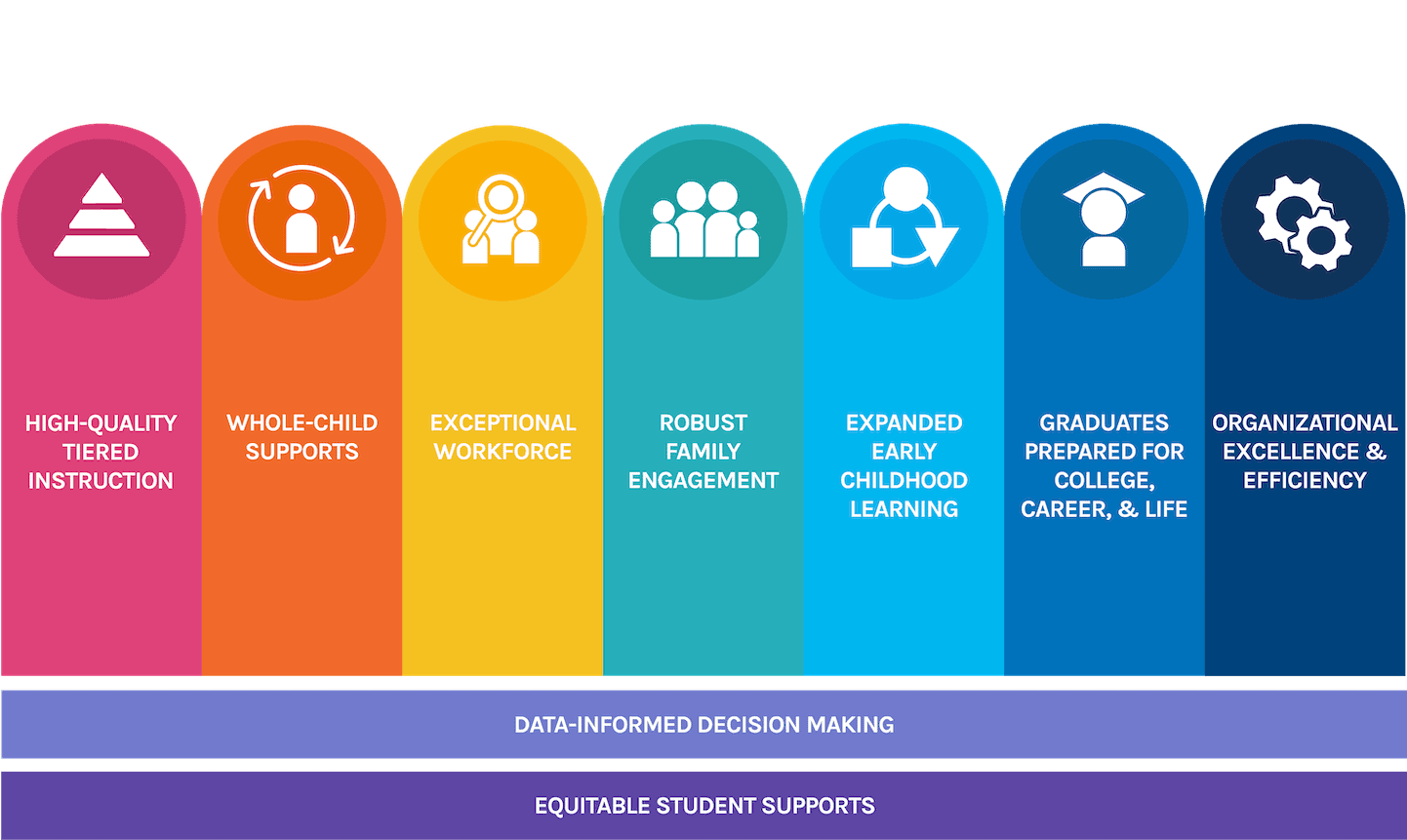
A strategically minded CFO can help the district direct their financial resources toward supporting each of these initiatives. It could mean investing in tools to better support tiered instruction, teacher SEL support or PD courses, better communication tools, or programs to help students explore postsecondary options.
For example, Dr. Niven says financial leaders can benefit greatly from insight into personnel expenses. “At least 80% of your budget at a very efficient school district goes to personnel,” says Dr. Niven. If a CFO has deeper insight into costs like PD programs, recruiting and hiring tools, and training, the more impact they can make on district success and the balance sheet.
With integrated systems, the CFO and superintendent can get on the same page with data and analytics. This facilitates discussions about current expenditures, like what’s working and what’s not. With a combination of financial and operational data together, the CFO and superintendent can have more meaningful discussions about budget planning.
Dr. Niven says too often the CFO and superintendent work with different information. “You can’t let your superintendent sit out there with no information,” he says. With more information about what different programs or initiatives cost, and how much revenue the district has to work with, the superintendent can make more informed decisions about the district’s future.
“When you’re starting in the budget process, you have to be a partner with your superintendent,” Dr. Niven says. Working closely together, finance and district leaders can develop strategic plans that serve student needs. Ultimately, a strategic CFO helps align resources to strategy.
Looking Forward with Operational Confidence
Dr. Niven says integrated data, interoperable tools, and intuitive data visualizations help them navigate challenges and confidently plan for the future. As their district continues to grow, they can proactively direct resources where they’re needed most.
The next two years are critical. ESSER funds completely expire in September 2024, which gives districts less than two years to use their remaining dollars, 85% of which were unused at the beginning of the 2022/23 school year. Dr. Niven notes that many districts need to make the most of these funds to counter recent budget cuts—his district essentially broke even by replacing state funding cuts with ESSER funds.
Navigating the changing landscape of K-12 funding in the coming years will test districts’ ability to adapt and maximize their use of available resources. Finance leaders with a strategic mindset and access to holistic data (including financials, staff, and student performance) will help them support long-term goals and drive student success.

Reach strategic goals with a modern finance and HR solution.
Get the eBook with expert insight and real-world success stories about integrating finance and HR to achieve strategic operational and staffing goals.
Get the eBook