According to Merriam-Webster, pedagogy is the “art, science, or profession of teaching.” This broad definition covers various aspects of teaching, and there are many moving parts to pedagogy that include teaching styles, feedback, and assessment. The term pedagogy boils down to the study of different teaching methods.
Generally, each teacher has their pedagogical approach to teaching and learning in their classroom. However, it’s crucial that they also consider the most effective content delivery and mastery evaluation based on individual student needs. Do students need more lectures or solo work time? How do the students in the classroom learn best? These pedagogical questions are at the center of accelerating learning gains for all students.
Teaching Pedagogy
Teaching pedagogy, or, in other words, teaching methods, can either be teacher- or student-centered and can have a low- or high-tech approach. Teacher-centered learning focuses on the teacher giving lectures and sharing content through direct instruction. In this case, the focus is on the teacher’s knowledge and conveying that to students. As a result, teacher-centered assessments are meant for students to show how well they remember that knowledge at the end of a unit.
Alternatively, student-centered learning guides the student to be an active participant in their learning process. While the teacher still delivers content, they take on more of a coaching or mentoring role to help students learn. Student-centered assessments, like formative assessments, are given more frequently to assess their learning progress and can be more objective than teacher-centered assessments.
Low- and high-tech approaches refer to how many digital tools are incorporated into the learning process. A high-tech method could include technology like a learning management system (LMS), and a low-tech approach could be more paper-based, using handouts and worksheets.
There are many ways to combine these approaches to support student understanding. For example, a high-tech, teacher-centered approach could include a Prezi presentation or a video that supplements a lesson on the Stone Age. A low-tech version of this approach would likely use a fill-in-the-blank worksheet or timeline handout.
On the other hand, an example of a high-tech, student-centered approach could feature an interactive lesson about trigonometry using an LMS that assesses what the student already knows and provides an engaging experience with the material. Ultimately, each of these teaching methods has strengths and drawbacks in practice. Teachers may find that using a combination of pedagogical approaches that support, challenge, and engage each student is the best strategy.
Learning Pedagogy
Learning pedagogy addresses the different ways students understand information and is equally as important as teaching pedagogy in understanding and supporting every student. Every teacher knows that no two students are the same, so discovering how each student learns best can help them personalize instruction.
There are several theories about how students learn. One popular concept is Gardner’s Theory of Multiple Intelligences, which developmental psychologist Howard Gardner created. Gardner’s research analyzes various learning styles and helps determine strengths and challenges for each type of learner. The theory states that there are three broad categories in which people learn—visual, auditory, and tactile—and among these groups are nine specific types of intelligences:
- Spatial-visual intelligence: Skills that include solving puzzles, following maps, and using directions
- Verbal-linguistic intelligence: Abilities that center around words, both written and spoken
- Interpersonal intelligence: Capabilities that are often very intuitive—detecting and responding to others—and show up in relationships
- Intrapersonal intelligence: Competencies that are internal and self-evaluative, like being in tune with feelings, values, beliefs, and thinking processes
- Logical-mathematical intelligence: Capacities to think conceptually and abstractly, noticing logical and numerical patterns
- Musical intelligence: Abilities to recognize, appreciate, and produce rhythm, pitch, and timber of the sound
- Bodily-kinesthetic intelligence: Skills that rely on controlling their body movements and handling objects
- Existential intelligence: Capacities to reflect on deep questions about everyday human existence like the meaning of life
- Naturalist intelligence: Capabilities to recognize and categorize plants, animals, and other objects in nature and their environment1
Renowned teacher Neil Fleming also published a theory about learning styles. In 1987, Neil Fleming shared his clear-cut VARK theory with the education world. VARK stands for visual, aural (another word for audio), reading/writing, and kinesthetic (another word for tactile) learning styles. Like Gardner’s Theory of Multiple Intelligences, the VARK model outlines different learning styles and provides a framework for supporting each one.
For example, visual learners learn best by seeing someone else complete the task and then attempting it themselves. These types of students may benefit from charts and diagrams. An aural learner needs to hear the information and enjoy lectures and reading aloud to themselves. Next, reading and writing learners may prefer reading the textbook, taking notes, or making flashcards. Lastly, a kinesthetic learner will likely need to move around more frequently and learn about concepts using their hands and senses.
In looking at these two prominent pedagogical approaches, you’ll notice that several ideas about learning styles are similar. The whole idea behind these theories is that each student learns in their unique way, so it’s up to the teacher to adjust their pedagogical approach and differentiate instruction in the classroom to accelerate learning gains for all.
Teaching and Learning Pedagogical Approaches
There are five different pedagogical approaches (2C-2I-1R) to teaching and learning. Each one is slightly different, so teachers can choose which method is suitable for their learners. Often, a combination of these approaches is best.
- Constructivist: Learners are actively involved in the learning process, creating their own meaning and knowledge of the material
- Collaborative: Multiple learners work together, like in small group instruction, and they all contribute and help each other learn
- Inquiry-Based: Students address real-world problems, like in project-based learning, by asking questions and doing further research
- Integrative: Using multiple academic disciplines and common language, students engage with cross-curricular material
- Reflective: Both teachers and students reflect on lessons, projects, and assessments to see how to improve them in the future
Teaching and Learning Pedagogy in the Classroom
One of the most powerful pedagogical approaches in the classroom is when the teacher becomes a mentor or coach who helps students achieve the learning goal. Using this strategy, the students can also work together and think, pair, share—using collective skills and expertise to accomplish learning tasks.
After a teacher-led lesson, students can evaluate their knowledge with a peer. Some students may prefer this strategy, as they could be more comfortable trying a new skill with their peers than on their own or with their teacher. This way, students can practice with a partner before attempting to complete their homework or take an assessment independently.
Another example of effective teaching and learning pedagogy in the classroom is using real-world scenarios and problem-solving activities. This approach can give students a new application of skills and a better idea of how this knowledge fits in their lives outside the classroom. Specifically, math classes can use relevant word problems, science classes can incorporate practical experiments and research, and English classrooms can write emails and resumes.
What Teachers Need to Know
Having a working understanding of all the pedagogical strategies can seem like a considerable effort, but breaking them down into bite-sized, actionable practices can help any teacher have a more impactful approach. Using classroom discussion for insight into how students feel about the learning process is a great place to start. Or try incorporating digital tools that allow students to access several resources to support their learning. Or group students in activities like learning stations or literature circles to help support students’ individual needs. With creativity and experimentation, teachers can find the pedagogical approach that best fits the needs of each student.
Resources
- NIU Center for Innovative Teaching and Learning, https://www.niu.edu/citl/resources/guides/instructional-guide/gardners-theory-of-multiple-intelligences.shtml
Student Success Resource Kit
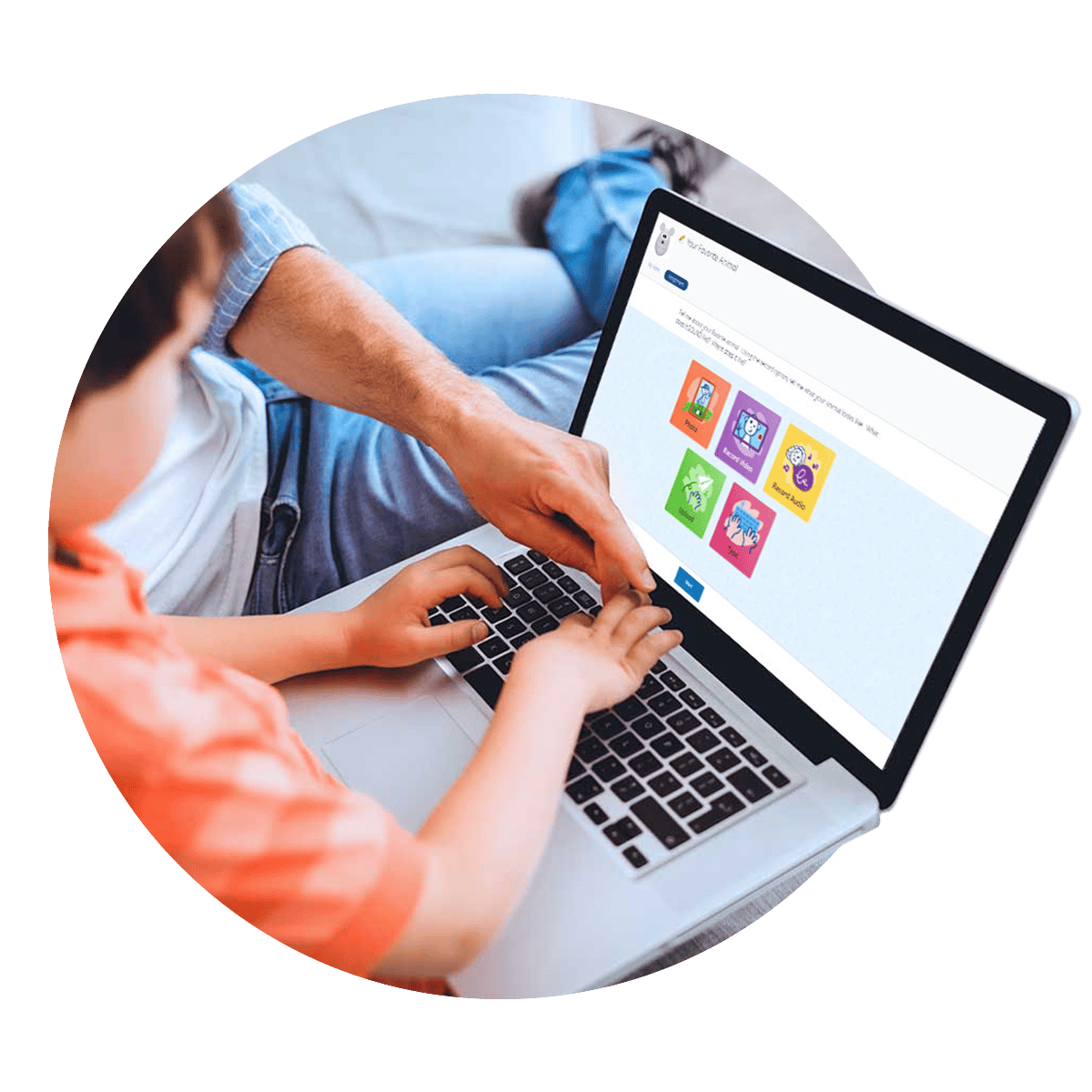
We’ve compiled resources to help you provide the best year-round support for all of your students’ needs. Use these resources for guidance, insights, and tips on accelerated learning, whole child instruction, and college, career, and life readiness.
Get Resource Kit