Learn tips about ways school districts can improve the college application process and build access and affordability for students and families.
The hefty price tag of postsecondary education can be a daunting hurdle for students and families. In its recent report on 2021 trends in college pricing, the College Board found that the 2021-2022 average cost of tuition and fees for full-time undergraduates was $22,690 for an in-state student at a public four-year college. For an out-of-state student at a public four-year college, it’s $39,510. And it’s $51,690 for a student at a private nonprofit four-year college.1
In the 2021 Naviance Student Survey Report, 65% of surveyed students cited the cost of their education as “very important” in their college search, and 62% indicated that the availability of financial aid and scholarships was similarly meaningful.
In its efforts towards increasing college access and affordability, Naviance by PowerSchool hosted a conversation in which three educators discussed the ways their school districts utilize Naviance. The panel included Amanda Villani, Director of Postsecondary Counseling at Memphis Rise Academy; Monica Jordan, Director of the Office of Academics at Shelby County Schools in Memphis; and Sativah Jones, Assistant Director of College and Career Readiness at Highline Public Schools in Burien, Washington.
Each panelist offered insights into sharing information with students and families to optimize preparedness for success at the college level. These tips include taking actionable steps to support each student’s growth and building trust with students and families to ensure that each student’s journey is supported by a strong team.
Sharing College Knowledge
All three panelists agreed that getting the right information into the right hands at the right time is essential to developing college access and affordability. Ms. Jones spoke about the “wildly effective” newsletter that her department distributes to students, families, and school staff. She emphasized that her department staff ask themselves, “What is essential information that families need to know?” The newsletter is also available in Spanish and includes messaging about internship programs, scholarship opportunities, and creating an FSA ID.
Ms. Jordan echoed the importance of sharing vital information. She stated, “If we’re going to prime our students to be agents of their destiny, then knowing how to finance that destiny is critically important. So I would echo the critical importance of knowledge is power. If you know, you can do.”
Memphis, Tennessee
“Knowledge is power. If you know, you can do.”
Monica Jordan Director of the Office of Academics
Shelby County Schools
Taking Actionable Steps
Talking about college access and affordability is important, but what matters most is providing concrete, actionable steps that students and families can take to turn their goals into reality. Ms. Villani explained that the lack of both time and transportation can be a barrier for students to visit a college in their own city, so her school now provides trips to local college campuses so that students can have a firsthand experience of what their future might look like.
Another step that schools can take is to bring postsecondary planning into each student’s path far earlier than their last two years of high school. Ms. Jordan says that her school adopted a “long-term strategy that starts in 8th grade and builds progressively, so that way the students can start to see how [the choices they’re making today] impact their future.”
Other actionable items the panel mentioned include demystifying the FAFSA by holding sessions, both in-person and virtual, in which parents can ask questions or even fill out the form in real time with the support of a college counselor. Ms. Villani shared that her school uses time during the academic day for college counselors to meet with students and familiarize them with Naviance and the tools at their disposal.
Building Trust
Though the student applies to college as an individual, there should be a dedicated support team behind them that helps them reach the moment when their college aspirations become reality. Building trust with families early is important, particularly for families whose first language is not English or who may have undocumented family members.
Other ways of building trust include incorporating Spanish-speaking programming in family sessions and offering Spanish translations of any materials that are sent home from the college counseling office. A school may also consider hiring staff members who have lived a similar experience to their students. Additionally, the FAFSA and the CSS Profile can be intimidating to any parent, so directly addressing parent fears related to sharing their financial information begins to build a relationship of candor and respect.
Applying to college can be overwhelming for both students and families. Giving them the knowledge, the tools, and the language to navigate the process empowers them to overcome obstacles that might otherwise have prevented them from seeking postsecondary opportunities. College and financial literacy contribute to improving access and equity across college campuses nationwide.
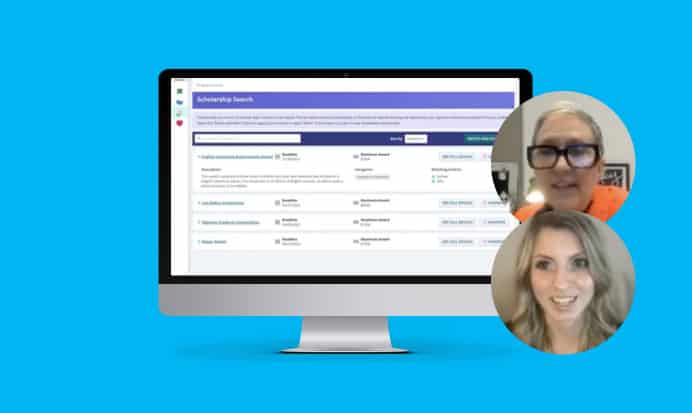
Empower students to find and fund the postsecondary path that’s right for them
Learn tips from college counselors about ways to improve college access and affordability for students and families.
Watch the Webinar