How to achieve successful change management in your school or district
Great education leaders are pioneers. But a forward-looking vision only gets you so far. Change can be incredibly challenging for teachers with already full plates, deep-rooted practices, and familiar routines. Teacher and staff buy-in and support are necessary to implement any educational change you have in mind.
Here are five practical strategies to help your school or district go beyond piecemeal changes to instruction and achieve true transformation.
1. Build a change team and identify champions
To have the best chance for your vision of change to be received, accepted, and implemented, it’s important to give all stakeholders—including teachers and staff—a seat at the decision-making table. Select educators with a positive attitude towards your initiative to join your change team, as they will make great champions and help sell the idea to others. By allowing your change team to contribute and take ownership, the change no longer feels like a top-down command—it becomes more of a collaborative effort to improve.

If you’re implementing new technology, a small group of early adopters will likely be eager to get started. Identify a handful of these “super users” early and assign them to be your “train-the-trainer” cohort.
2. Focus on the “why”
Research has shown that for a change to be successful—mainly when technology staff implement something difficult or complex—everyone involved needs to know how the change will benefit them in their job. That’s because something new may seem unnecessary. By focusing on the change’s purpose, you can highlight its relevance and importance.
Illustrating how the change will benefit students can help you overcome resistance. If the focus is on student outcomes and framed in student success, teachers might feel more motivated to transform their practice.
3. Make a plan and start small
To turn your vision into reality, you’ll need a strong project plan from the beginning that sets the tone for the entire implementation. The most effective plans establish the timeline and key milestones, outline expectations, and identify action items.
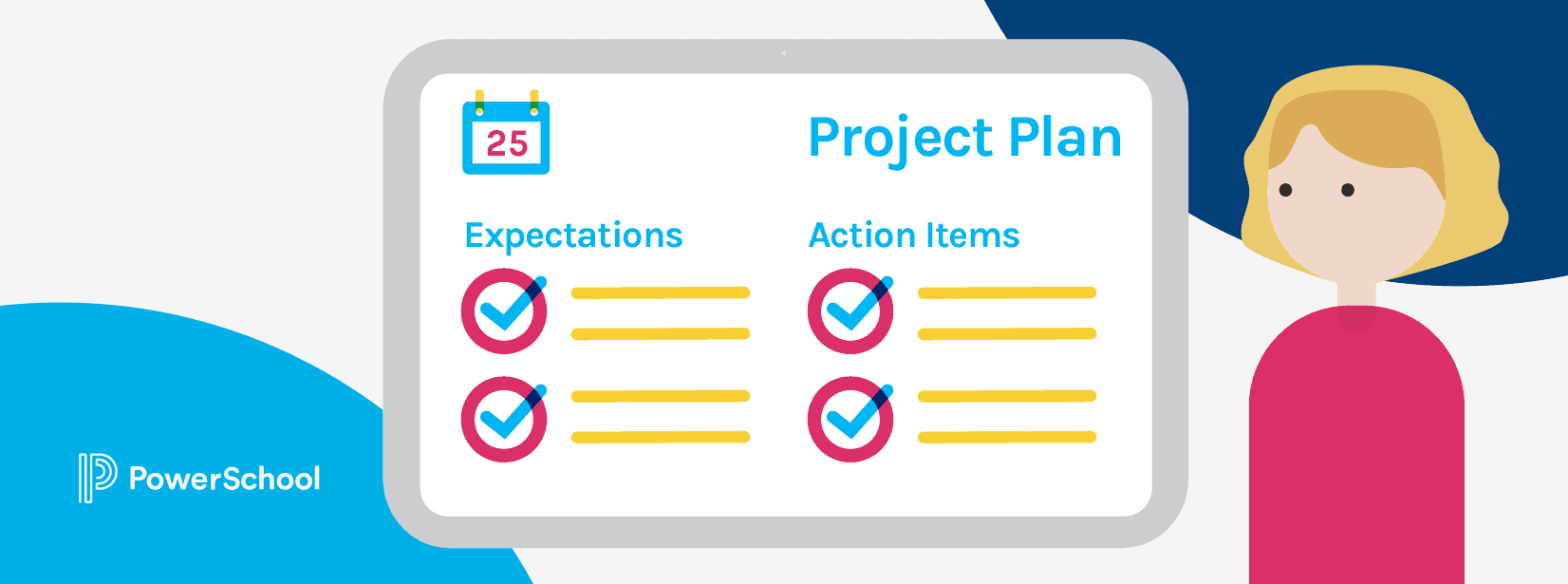
Quick wins and early successes can build confidence and momentum for teachers and staff, so it’s a good idea to start small. When your people start seeing the impact, they may feel more motivated to continue making progress.
4. Understand where teachers are coming from
Remember that this change isn’t just giving people new tasks, layering in technology, or transforming existing processes— it’s also navigating emotional responses and a culture shift throughout your school or district.
Even the most excited teachers can have an attachment to what’s familiar. Trying something new requires courage. They may feel overwhelmed or nervous about the change, asking themselves questions like, Will I do it right? Will I make a mistake? Will my students think I’m inexperienced? Maintaining empathy for your teachers can help them feel heard and supported through this transitional time.
5. Provide ongoing professional development
Lasting change only happens when people change their habits, and professional development (PD) can help this process. Effective PD can help teachers and staff detach from old practices, learn new approaches, and build the capacity to do things differently.
PD helps frame the change as an opportunity to improve their practice and continue learning. One-off workshops may not be as effective as ongoing learning in helping teachers feel confident, capable, and in control. Hands-on sessions can also help leaders identify issues before they become problems.
Teachers Drive Lasting Changes
Too often, districts are wooed into believing that a piece of software or a new pedagogy will fix a problem or advance learning. Only teachers and students can make lasting changes in academic growth. Change doesn’t happen overnight, and edtech is just one piece of the puzzle. Change management, strong leadership, continuous support, and strategic innovation can help everyone work together to improve student outcomes.
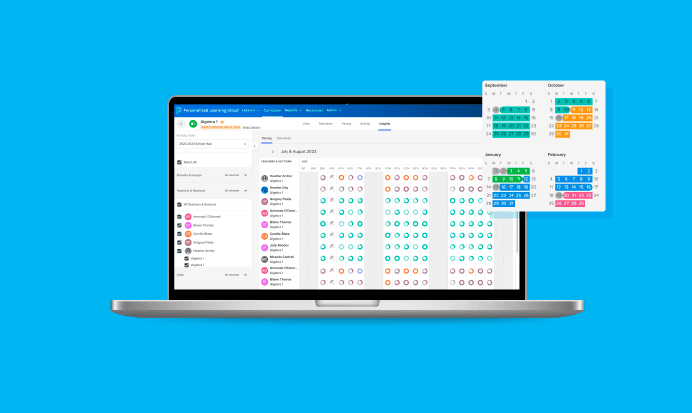
Personalized Learning Cloud
Learn how teachers can create customized learning experiences for every student with the right tools and approach to instruction.
Watch a Demo