 In this 3-part back-to-school blog series, we look at three topics important to engaging and supporting students, teachers, and families, to start the school year off right.
Dr. Julie A. Evans is the CEO of Project Tomorrow and the founder of the Speak Up Research Project. Dr. Evans has a passion for helping education leaders embrace change and innovation and recognize the importance of listening to the voices of their stakeholders, notably students. She is a graduate of Brown University and earned her doctorate in educational leadership from the University of California, San Diego and California State University San Marco.
For over 25 years, Project Tomorrow has championed collaboration and innovation in education, driven by a determined pursuit of “win-win-win” outcomes for our partners and stakeholders. Our mission has always been clear: to deeply understand the evolving needs of K-12 education and leverage its vast network of resources to develop impactful solutions that directly address the challenges faced by students, teachers, administrators and families.
As the 2025–26 school year begins, one thing is clear: family engagement isn’t a “nice to have”—it’s essential. In our Spring 2025 National U.S. Educator Survey of more than 2,500 educators, the top edtech priority cited by school organizations was clear communication with families and caregivers.
Yet the biggest barrier to effective communication remains: bridging cultural and language differences. As school communities become more diverse, it’s critical to ensure every family feels welcomed, heard, and included—starting on day one.
Strong family-school partnerships take time, but the beginning of the year offers a powerful moment to set the tone.
5 ways schools can foster inclusive, meaningful family engagement from the start
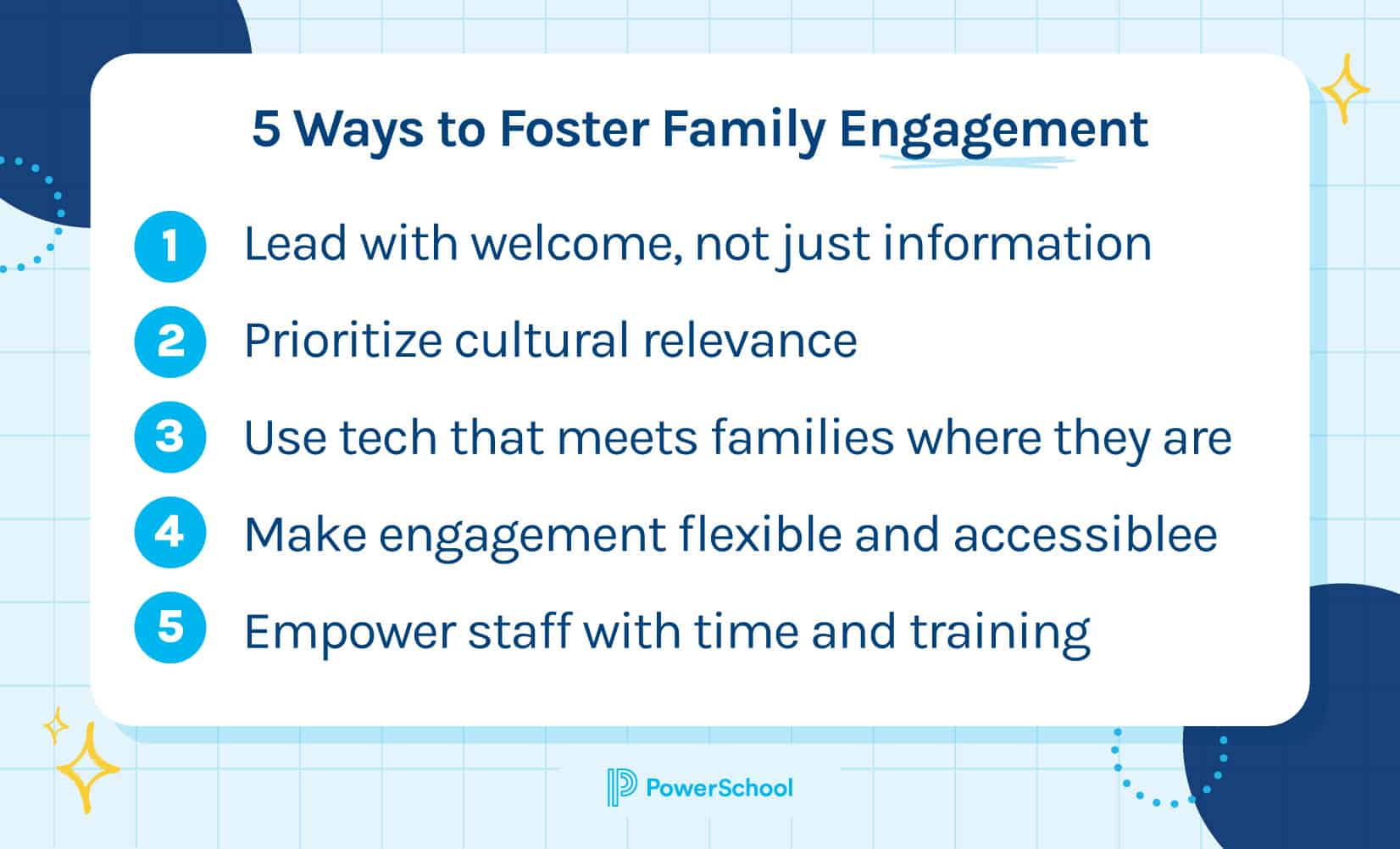
Lead with welcome, not just information
Instead of launching the year with formal orientations, create experiences that prioritize connection. Host welcome events that feel like community celebrations—think multilingual greeters, student-led tours, and casual gatherings with staff. First impressions matter. Start with warmth and belonging.
Go beyond translation by prioritizing cultural relevance
Translation tools are important, but true connection requires cultural understanding. Partner with community liaisons to learn how different families prefer to receive information, who they trust, and what support they need. Consider adapting not just what you say, but how, when, and by whom it’s shared.
Use tech that meets families where they are
Busy schedules, multiple caregivers, and tech limitations can make engagement tricky. Choose communication tools that are mobile-friendly, multilingual, and allow for two-way interaction. Voice notes, short videos, and even emojis can bridge literacy gaps and convey empathy better than text alone.
Also, remember: your families may span multiple generations with varied digital habits. Avoid one-size-fits-all solutions. Don’t assume everyone uses the same platforms—take time to learn each family’s communication preferences.
Make engagement flexible and accessible
Involvement looks different for every family. Offer options like virtual conferences, rotating times for events, and short, on-demand teacher updates. Engagement isn’t just about showing up physically—it’s about feeling informed, included, and connected in ways that fit each family’s reality.
Empower staff with time and training
Family engagement often takes a backseat to other demands. Build time into the schedule for outreach and provide training on culturally responsive communication. Encourage staff to share strategies and celebrate small wins. When educators feel supported, they’re more likely to make engagement part of their daily practice.
Keep your learning going! Read blog posts from Dr. Julie A. Evans and Project Tomorrow, focused on boosting student attendance or creating a teacher-centric culture at your school.
Final thoughts
When families feel connected, students thrive. A warm greeting, a message in a family’s home language, or a flexible invitation to engage can spark a parent from an outsider into a partner in learning. To continue diving into ways to help your
This year, let’s create space for those bright moments—not just for students, but for families too. When caregivers feel informed and empowered, they’re more equipped to support learning at home and nurture the curiosity that fuels classroom success.
Because when families are part of the journey, students don’t just show up—they light up.

Find the right k-12 communications tool for family engagement
Watch this on-demand webinar to learn the best ways to make smart investments by procuring edtech tools that support family engagement.
Watch Now