 In this 3-part back-to-school blog series, we look at three topics important to engaging and supporting students, teachers, and families, to start the school year off right.
Dr. Julie A. Evans is the CEO of Project Tomorrow and the founder of the Speak Up Research Project. Dr. Evans has a passion for helping education leaders embrace change and innovation and recognize the importance of listening to the voices of their stakeholders, notably students. She is a graduate of Brown University and earned her doctorate in educational leadership from the University of California, San Diego and California State University San Marco.
For over 25 years, Project Tomorrow has championed collaboration and innovation in education, driven by a determined pursuit of “win-win-win” outcomes for our partners and stakeholders. Our mission has always been clear: to deeply understand the evolving needs of K-12 education and leverage its vast network of resources to develop impactful solutions that directly address the challenges faced by students, teachers, administrators and families.
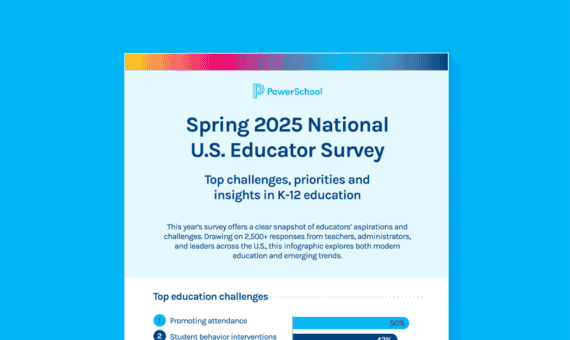
As the 2025–26 school year kicks off, one challenge continues to rise above the rest: chronic absenteeism. According to our Spring 2025 National U.S. Educator Survey of more than 2,500 educators nationwide, improving student attendance was cited as the top priority in K–12 education.
It’s no surprise. The lingering effects of the pandemic—coupled with growing student disengagement and mental health concerns—continue to disrupt consistent attendance. But there’s good news: a new school year offers a fresh opportunity to build the foundation for strong attendance.
By creating a welcoming, engaging school environment rooted in relationships, educators can send a clear message: students belong here, and showing up matters.
5 strategies to kick the year off strong
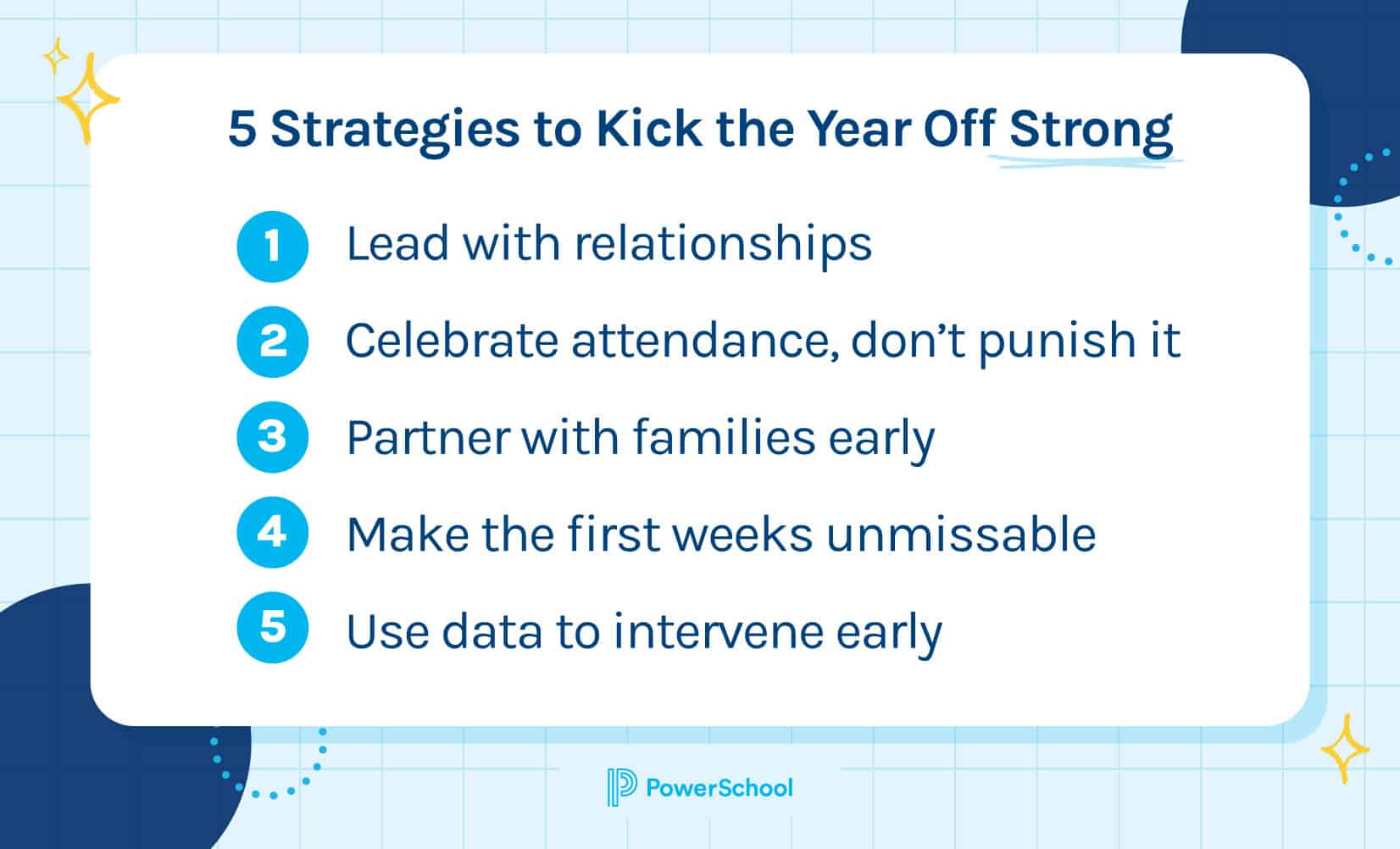
Lead with relationships
Students are more likely to attend when they feel seen, valued, and connected. Prioritize relationship-building from day one—not just between students and teachers, but across the school community. Small gestures like welcome-back calls, check-ins, and team-building activities make a big difference. Train staff to spot early signs of disengagement and act before absences escalate.
Celebrate attendance, don’t punish it
Rather than focusing only on policies and consequences, create a positive culture around attendance. Recognize classrooms with strong attendance in fun, inclusive ways. Involve students in setting goals and share stories of resilience. When showing up feels rewarding and meaningful, students are more likely to make it a habit.
Partner with families early
Families are essential to improving attendance. From the start, communicate clearly—why attendance matters, how to get support, and what success looks like. Go beyond emails and robocalls. Host listening sessions, offer multilingual outreach, and open two-way channels for communication. When families feel included, they’re more invested.
Make the first weeks unmissable
If school starts strong, students will want to keep coming back. Focus on engaging instruction, not just rules and routines. Incorporate hands-on learning, student voice, and activities that reflect students’ interests and identities. Build momentum in August and September, when habits are still forming.
Use data to intervene early
Don’t wait for monthly reports—track attendance in real time to spot patterns and act quickly. Set up early warning systems to flag students who miss two or more days in the first few weeks. Work with counselors and attendance teams to reach out right away. Early action prevents long-term issues.
Keep your learning going! Read blog posts from Dr. Julie A. Evans and Project Tomorrow, focused on creating a teacher-centric culture
or building stronger connections with your families.
Final thoughts
Addressing absenteeism doesn’t begin with a policy—it begins with culture. When students feel connected, curious, and inspired, attendance becomes the natural result of engagement.
As we launch into a new school year, let’s create learning environments that spark curiosity and connection—places where students want to be. Because when students feel that spark, they show up. And when they show up, everything becomes possible.

Get the k-12 attendance intervention toolkit
In this toolkit, gain insights into overall problem of chronic absenteeism and what you can do to intervene and get students back in the classroom.
Watch Now