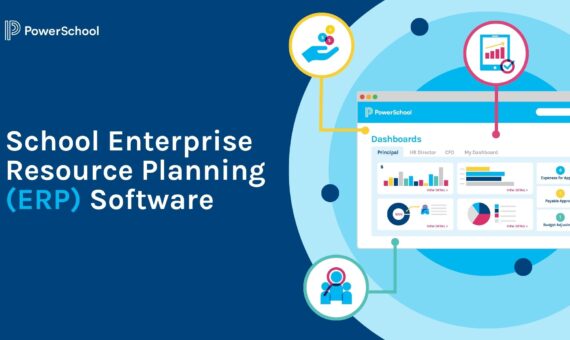
Budgeting for schools is a year-round process. Fortunately, modern edtech tools can offer more robust information than ever before. With a full picture of school data, K-12 finance leaders can ensure that their school budgets always drive toward achieving student goals.
What are the major components of a school budget?
The largest component of a school budget is usually spent on staffing costs. This can include employee salaries, benefits, and training. Schools also pay for classroom essentials like computers, curriculum materials, and other learning tools like models for science, manipulatives and calculators for math, and art supplies. Other significant costs include building upkeep, utilities, transportation, and special education services.

Transform your school budget
Our on-demand webinar shows how schools and districts can make confident, future-forward decisions.
Watch NowSchool financial resources often come from a mixture of state funds, local taxes, and grants. When planning school budgets, financial leaders focus on the best ways to use their funds to support student learning. Clear and accurate budgeting helps school leaders manage resources well and focus on student success.
5 quick tips for a more effective school budget
Since K-12 finances are always top-of-mind for Chief Financial Officers, this blog offers 5 quick tips for a more effective school budget.
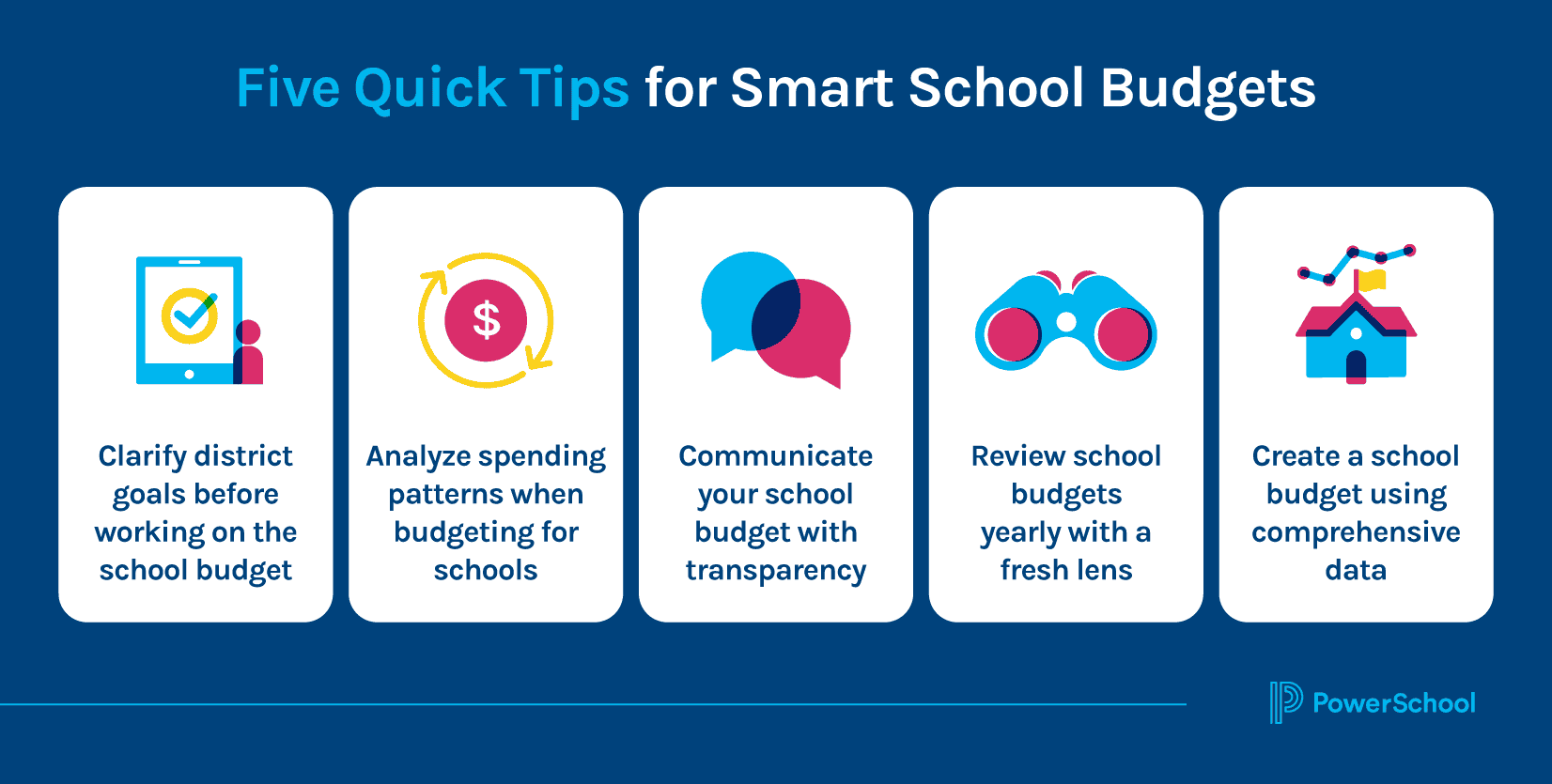
1. Clarify district goals before working on the school budget
Effective budgeting for schools begins with a clear strategic plan. To ensure your school budget addresses your most pressing needs, it helps to gather annual input from stakeholders. These can be students, teachers, parents, administrators, and community leaders who participate in surveys, meetings, and focus groups.
When financial leaders combine this qualitative data with classroom observations and student achievement metrics, it’s easier to uncover major areas for improvement without bias. Best practices at this stage involve focusing on three to five areas for funding that include measurable goals and success metrics.
Columbus, OH
Allovue is a platform that can literally take a spreadsheet—rows and columns—and make it into a picture. My first reactions were, ‘Oh no, this is something else we have to learn.’ But once I saw the value, the way the information was being shared with our district in the new format, I was like ‘Oh my gosh, there can’t be anything other than Allovue!’
Terry Addison Executive Director of Finance
Columbus City School
2. Analyze spending patterns when budgeting for schools
After defining district needs and priorities, the next step for your school budget is to analyze current expenditures. You can uncover spending patterns by evaluating fund allocations and determining how much your investment costs on a per-student or per-teacher basis.
Because the primary mission of schools is to increase student achievement, it’s essential to connect spending decisions to this mission. Classroom performance, including academic data, can help you determine the ROI on your current instructional materials and professional development efforts. When budgeting for schools, understanding your investment costs versus returns can set you up for success.

Navigate K-12 finance in a post-ESSER world
Gain actionable insights and strategies to make the most of your district’s resources. Don’t miss this expert-led, on-demand webinar!
Watch Now3. Communicate your school budget with transparency
Successful budgeting for schools requires more than just data. It also requires collaboration. As district leaders make difficult budgetary decisions, they can gain support with greater stakeholder trust. That’s why it helps to include administrators, staff, and school community members up-front. Some schools also opt to disclose their annual budgets on their website and in email after approval.
Transparency is essential. When leaders clearly communicate each step of the school budget process, including the rationale behind funding decisions, they build credibility and increase buy-in.
By fostering collaboration and transparency, district leaders can build a practical, community-backed approach to budgeting for schools that aligns with academic goals and financial realities.
4. Budgeting for schools requires a fresh lens each year
Each year, an effective school budget takes stock of evolving student needs, district goals, new technologies, and state or federal funding changes. With a flexible, data-informed process, school budgetary leaders can help allocate resources efficiently, improve outcomes, and plan for success.
5. Create a school budget using comprehensive data
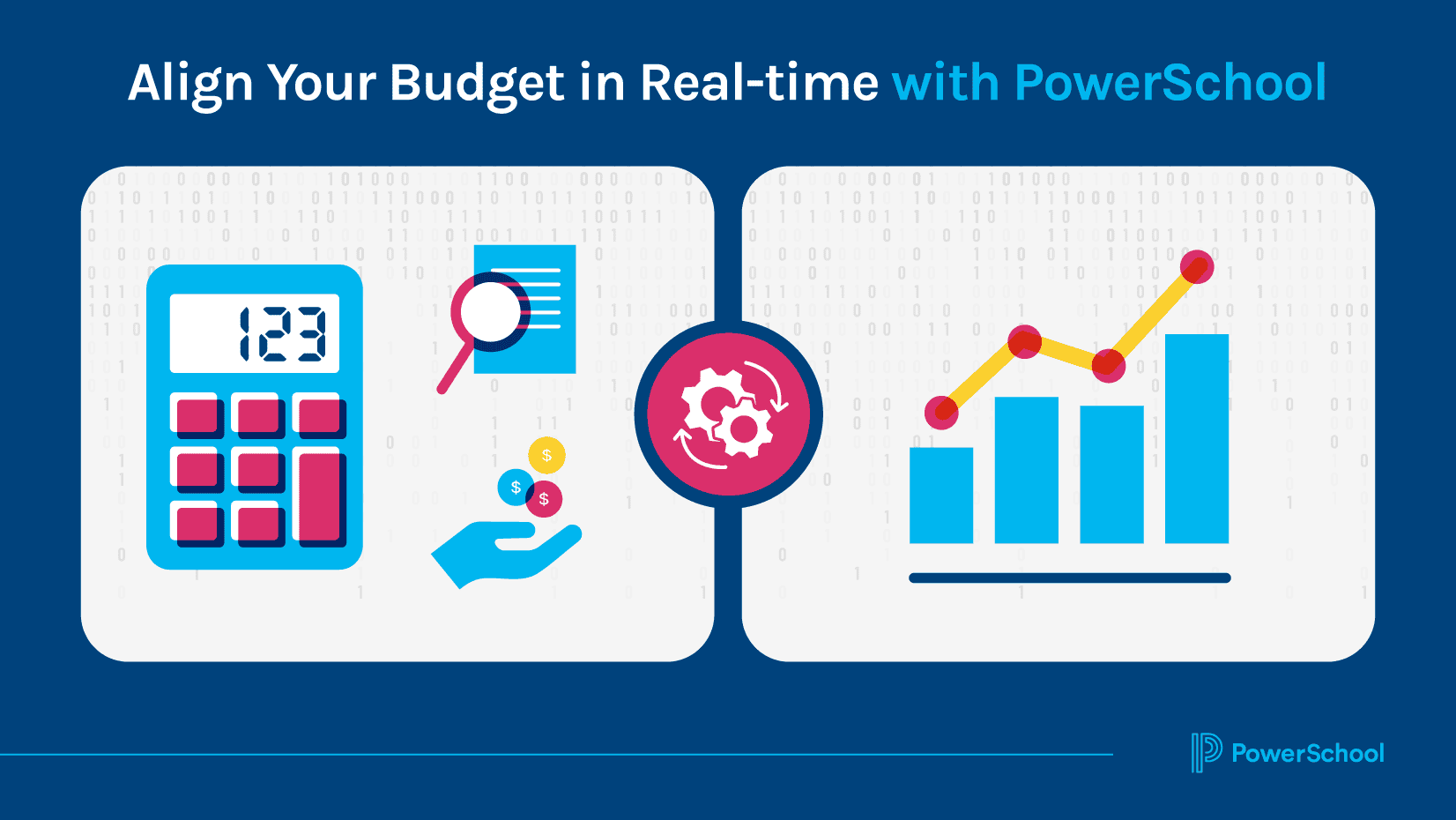
Streamline your district and school budgeting plans with comprehensive tools from PowerSchool. We help schools plan finances in real-time, and align budgets to your specific goals. With transparency and accuracy, we help leaders ensure their funds are allocated efficiently to meet student needs.
With this solution, school leaders can collaborate on budgets, track funding, and make data-driven decisions. It empowers districts to prioritize spending based on strategic goals, ultimately improving resource allocation and fostering better student outcomes.

10 ways ERP school management systems streamline school administration
Discover how ERP school management systems can save time, reduce errors, and boost efficiency.
Read Now