Helping students achieve their postsecondary goals
Postsecondary success for students starts early—especially when it comes to finding and applying to best-fit colleges. Most high school students have a general idea of what they want to do after high school, but they need guidance to help them get there. In a recentPowerSchool Naviance survey, 85% said college was in their plans. Teachers and educators can help students achieve their postsecondary goals by helping them to identify their interests early.

By their freshman year of high school, students benefit greatly from educator guidance in recognizing their interests and strengths, considering career prospects, and beginning to think about college choice. In our College Admissions Guide: Improving Best-Fit Outcomes for All Students, we share tips for helping students pursue and achieve their goals with purposeful actions throughout high school.
This blog looks at four ways educators can help students start their journey toward college, career, and life goals. For more, read our free college admissions guide.

1. Discovering Career Interests Early
A thoughtful college search starts with students understanding and being able to articulate their interests. This self-discovery phase begins by exploring what excites them, what makes them curious, and what tends to hold their attention. They should also probe what bores them or makes them uncomfortable and why. The goal is to develop a full picture of their likes and dislikes.
Educators can help students gain a clear understanding of their interests. In addition to thoughtful observations and discussions of their interests in curriculum topics, schools can offer other resources to help students find what makes them tick. A few ways to do this include:
- Creating a questionnaire to identify interests and dislikes
- Encouraging students to join clubs, organizations, or teams
- Employ Social and Emotional Learning (SEL) in the classroom

2. Building College-Ready Skills and Gaining Work Experience
With an understanding of their strengths and interests, students can explore career paths that align with them. For example, after a thorough self-discovery, a student may find that a general interest in becoming a veterinarian has evolved into a more focused goal of caring for agricultural animals. This narrowing of focus helps students begin charting a course with real-world steps, turning a dream into a goal. The student may choose to join Future Farmers of America (FFA), for example, and begin learning more about animal care and the business aspects of being a veterinarian in an agricultural environment. Through a career-focused activity like this, they would also meet people working in the agriculture sector and may even learn about internships open to high school students.
Many students indicate a desire to gain real-world career experience in high school. Naviance survey results show that 81% of students would like access to more internships and other career learning opportunities.
Internships provide students a valuable means of further honing their college, career, and life goals. The student who learned about an internship opportunity at an equestrian center through their participation in FFA at school can gain valuable on-the-job experience that will contribute to their postsecondary plans. They may learn practical skills like animal handling and husbandry, and they’ll begin building their professional network. This could lead to securing references for college applications, future internships, or jobs.
Completing an internship in high school means meeting more people outside of school, including adult mentors. Internship-related mentors can help high school students by sharing their personal experiences in building their careers, how they overcame challenges, and what personal interests or values their chosen work serves every day.

3. Attending College Tours and Fairs
The earlier students begin touring colleges and attending college fairs, the more freedom they’ll have to explore each with an open mind. In sophomore year, for example, there’s little pressure to land on a final decision. They’ll be able to process their thoughts honestly, and their feelings about one college may change as they tour others.
Virtual college tours and fairs offer convenient options to begin the search. While not a complete substitute for in-person college visits, virtual tours can make schools in another state or even across the country more accessible for all students. Combined with in-person tours of local schools, students will have the context to envision better what they see on their screen.
Keeping a journal of their experiences at college tours and fairs helps students get more from the process. By writing their thoughts down, they can better track their initial feelings about each college and then revisit them when decision time comes around.

4. Optimizing College Applications
Stronger college applications give students a better chance of being accepted. And with internships, mentorships, and college tours behind them, they’ll have more to draw on for submitting exceptional, competitive applications.
Before deciding which schools to apply to, encourage students to build a decision-making matrix. Listing their initial top-pick schools, the pros and cons of each, and then fairly assessing the results can help bring those most worth pursuing into focus. They can look back to their college tour journal, consider advice from mentors and internship colleagues, and revisit the information they have on each college before they decide. Ultimately, helping them narrow down their choices will give them more time and energy to perfect the applications they send.
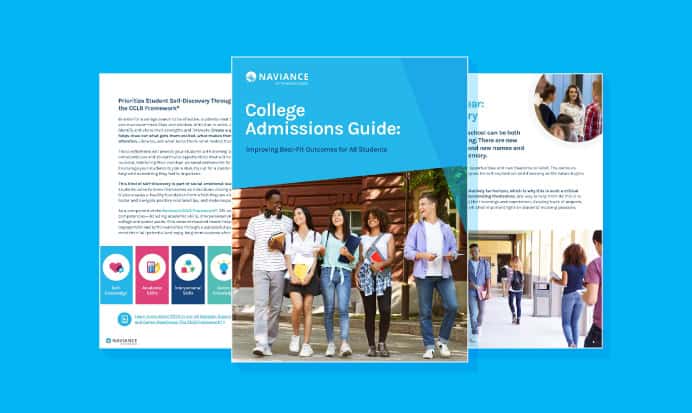
Want to learn more about helping students achieve their postsecondary goals?
Check out our College Admissions Guide for helping students find and apply to colleges that best fit their goals.